[태그:] SlowAgingDiet

  • Daily Flavonoid Intake|Anti-Aging Benefits and the Right Amount to Eat

    Daily Flavonoid Intake|Anti-Aging Benefits and the Right Amount to Eat

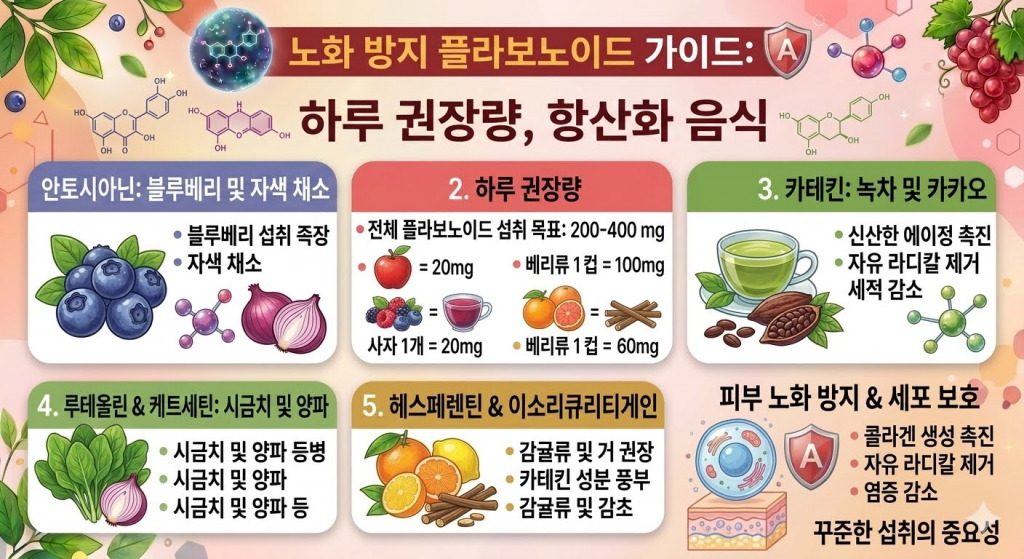
    By now, many people know that flavonoids support anti-aging. But when it comes to the follow-up question — “So how much should I actually eat per day?” — most people draw a blank. Unlike vitamins or minerals, flavonoids are a nutrient category where clear intake guidelines aren’t widely known.

    Flavonoids are antioxidants that, while not as well-known as vitamins and minerals by name, have the power to fight disease, prevent aging, and reduce inflammation — and once you know where to find them, they can create a dramatic shift in your health. (Source: Mercola Health Magazine)

    The key issue is this: to see real anti-aging flavonoid results, you need to know the precise intake target. Eating too little limits the benefit, while vaguely assuming “more is better” can be an inefficient approach without a clear number to work toward.

    Today, we break down the exact daily flavonoid intake — from the official Korean Ministry of Food and Drug Safety (MFDS) standard to international research findings — along with the anti-aging benefits and food-by-food intake strategies you need to hit your target.

    💡 Related Post: What Is the Slow Aging Diet?|From Concept to Practical Implementation


    How Flavonoids Slow the Aging Process

    Flavonoids are natural pigment compounds found in plants, classified as phytochemicals. The term doesn’t refer to a single specific compound — it’s an umbrella term covering hesperidin, rutin, quercetin, and many other related compounds.

    Their high antioxidant activity helps eliminate the free radicals responsible for aging, and because they support capillary health by regulating vascular permeability, flavonoids were historically referred to as “Vitamin P.” (Source: Pillyze Pharmacist & Dietitian Guide)

    Aging isn’t simply a function of time passing — it’s a cumulative process in which free radicals continuously attack cells and DNA, building up damage over years.

    Flavonoids directly neutralize these free radicals, slowing the rate at which that damage accumulates. This is precisely why anti-aging flavonoids are considered a cornerstone of antioxidant nutrition.


    📊 What Is the Actual Daily Flavonoid Intake You Need?

    Official MFDS Standard – 16–17mg

    The most authoritative reference point is the daily intake standard set by Korea’s Ministry of Food and Drug Safety (MFDS) for certifying health functional foods.

    The officially recognized daily intake for antioxidant functionality is 16–17mg of total flavonoids. Health functional foods certified by the MFDS are standardized to deliver approximately 16–17mg of flavonoids per day. (Source: Pillyze Pharmacist & Dietitian Guide)

    This 16–17mg figure represents the minimum legal threshold required to label a product as having “antioxidant function” — think of it as a baseline for general health maintenance, not a target for active anti-aging results.

    For Active Anti-Aging and Disease Prevention – 500mg to 1,000mg

    If your goal is meaningful anti-aging benefit or active disease prevention, you’ll need an intake well above the MFDS baseline.

    A Danish study found that 500mg of daily flavonoid intake had a positive impact on cardiovascular disease risk, while for cancer-related mortality, a daily intake of 1,000mg was shown to lower the “hazard ratio” for cancer-related conditions. (Source: Mercola Health Magazine, Danish cohort study)

    Notably, these threshold amounts are achievable through a normal, well-rounded diet within a single day — meaning you don’t need supplements to hit these effective intake levels. (Source: Mercola Health Magazine)

    For Cognitive Protection – Approximately 600mg

    If brain health and cognitive protection are your priority, there’s a separate benchmark to know. One study found that people who consumed approximately 600mg of flavonoids daily had a 20% lower risk of cognitive decline compared to those who consumed only 150mg. (Source: Kormedi Health Media)

    📋 Daily Flavonoid Intake by Goal — At a Glance

    GoalRecommended Daily IntakeSource
    Basic antioxidant function maintenance16–17mgMFDS health functional food certification standard
    Cardiovascular disease prevention500mgDanish cohort study
    Cognitive decline prevention~600mgInternational academic research
    Reduced cancer-related disease risk1,000mgDanish cohort study
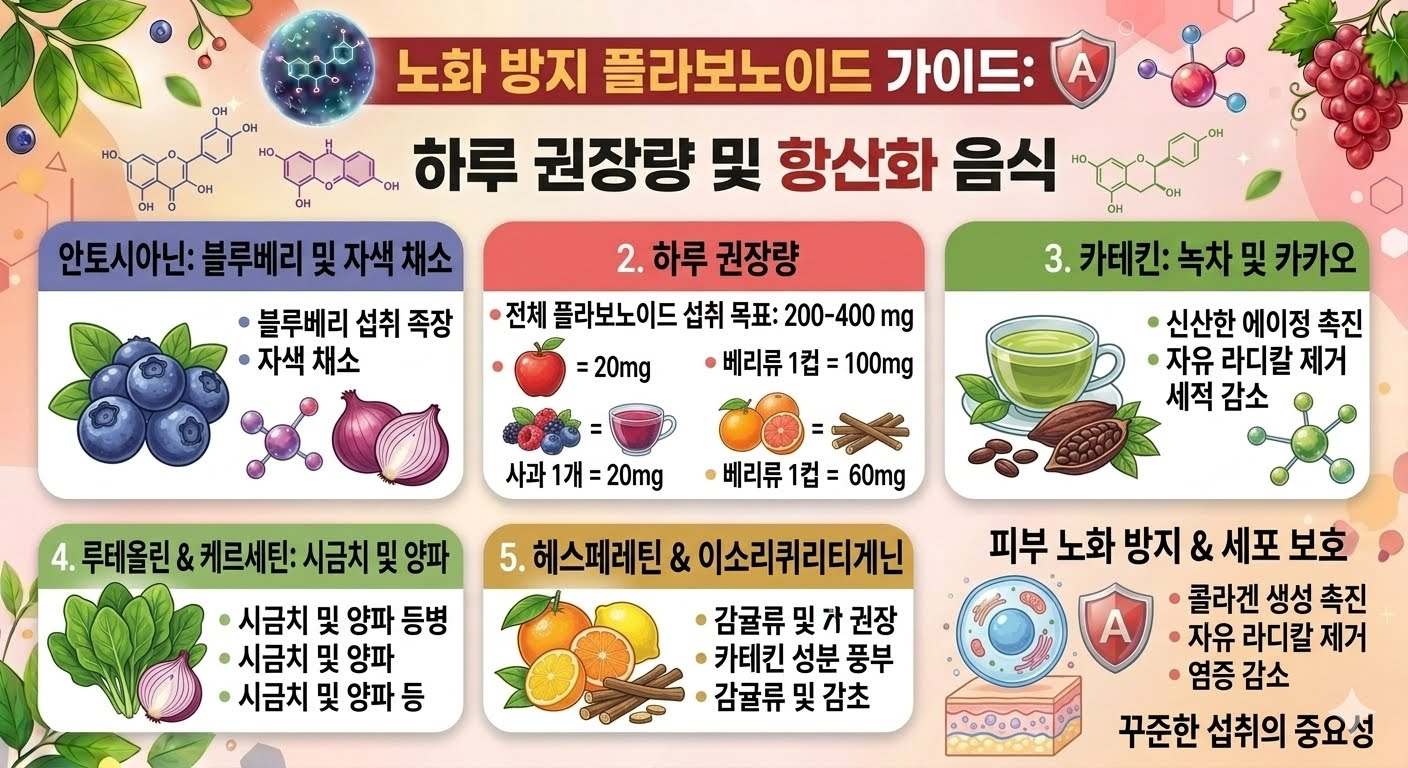
    Daily flavonoid intake chart by health goal

    3 Core Anti-Aging Benefits of Flavonoids

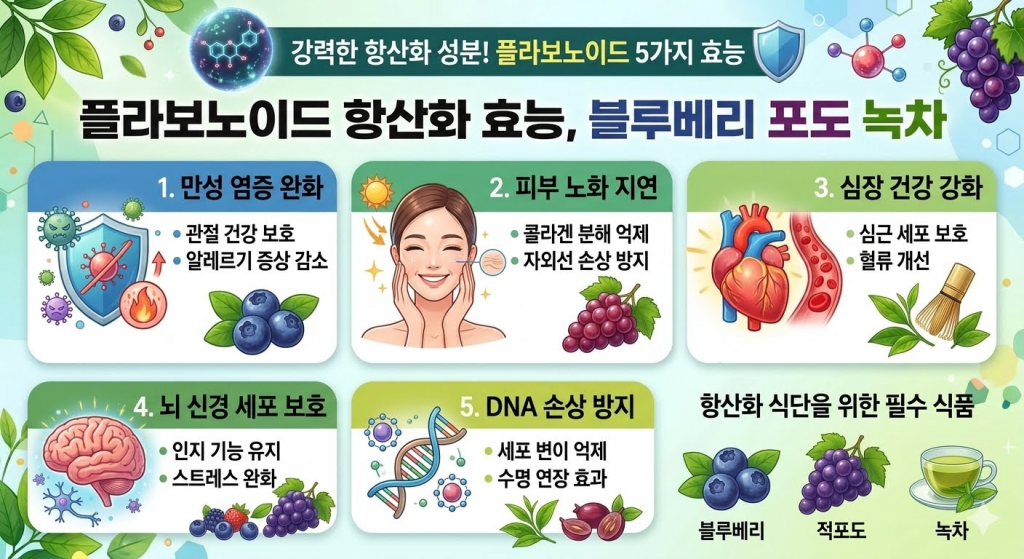
    ① Free Radical Elimination – Blocking the Root Cause of Cellular Aging

    The most central function of anti-aging flavonoids is free radical elimination. Free radicals attack cell membranes and DNA, acting as the primary accelerant of aging — and flavonoids directly neutralize these free radicals, preventing cellular damage before it accumulates.

    ② Capillary Health – Protecting Skin and Blood Vessels from Aging Simultaneously

    Flavonoids help maintain healthy capillaries by regulating vascular permeability at an appropriate level. (Source: Pillyze Pharmacist & Dietitian Guide) Healthier blood vessels mean nutrients and oxygen reach skin cells more efficiently, contributing positively to slowing the visible signs of skin aging as well.

    ③ Cancer Prevention – Inhibiting the Growth of Specific Cancer Cells

    Green tea is effective in preventing various cancers including leukemia, lung cancer, breast cancer, and prostate cancer. In particular, the compound epigallocatechin gallate found in green tea has shown the ability to inhibit the growth of breast, skin, and gastrointestinal cancers. (Source: Samsung Medical Center Health Information) This benefit is closely tied to the prevention of chronic diseases that are themselves deeply connected to the aging process.


    How Much Food Do You Actually Need to Eat to Hit Your Daily Flavonoid Intake?

    Raw numbers can feel abstract, so let’s translate them into real food.

    FoodFlavonoid Content per Serving
    Strawberries~180mg per 100g
    Apple~113mg per apple
    Green tea~50–100mg per cup
    Onion~20–30mg per medium onion
    Dark chocolate~30–50mg per 30g

    (Source: Kormedi Health Media, compiled)

    Based on this breakdown, the 500mg cardiovascular prevention target is naturally achievable with a cup of strawberries (about 150g, ~270mg), an apple (113mg), and a cup of green tea (50–100mg). This means a meaningful anti-aging target is realistically reachable through normal daily meals — no special supplements required.
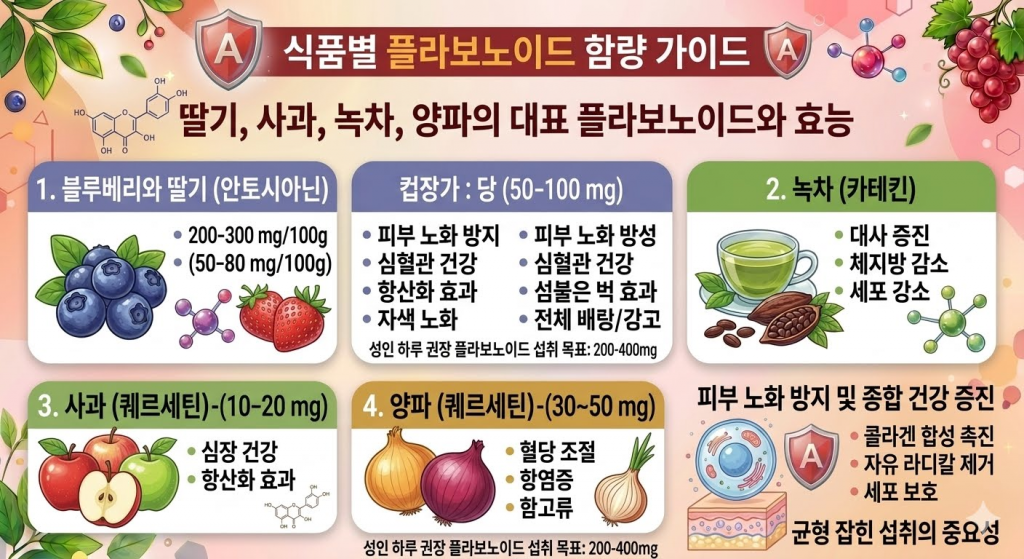
    Flavonoid content by food, strawberries apples green tea onions

    Why Flavonoids Matter Even More for Smokers and Heavy Drinkers

    Anti-aging flavonoids aren’t equally important for everyone — for people with certain lifestyle factors, they matter significantly more.

    The inverse relationship between total flavonoid intake and mortality rate was found to be more pronounced and stronger in smokers than in non-smokers, and stronger in heavy drinkers than in moderate drinkers. (Source: Mercola Health Magazine, compiled cohort research)

    In other words, people with habits that generate higher levels of oxidative stress — such as smoking or heavy alcohol consumption — tend to experience a more pronounced benefit from flavonoid intake’s antioxidant action. To be clear, this is not a justification for smoking or heavy drinking — rather, it’s a signal that flavonoid intake becomes especially important for people with these habits, alongside efforts to reduce them.


    Expert Cautions on Flavonoid Intake

    Flavonoids obtained through food are very safe, but caution is warranted when choosing high-dose supplements. To see real results from a supplement, you need to take the dose supported by research findings — not just the minimum recommended intake. That said, when scientific evidence exists showing that excessive intake of a nutrient can cause harm, an upper safe limit is established to prevent overdose, so extra caution is needed when taking high-dose products or combining multiple supplements at once. (Source: Pillyze Pharmacist & Dietitian Guide)

    Pregnant women in particular should consult a healthcare professional before taking high-dose flavonoid supplements, as research on this population remains limited. (Source: Pillyze Pharmacist & Dietitian Guide) Food-based intake remains the safest and most reliable way to reach these targets without that risk.

    💡 Related Post: 5 Proven Flavonoid Benefits and Why You Should Eat Them Every Day|Foods & Guide


    ✅ Daily Flavonoid Intake Checklist

    Check off what you ate today and roughly tally the milligrams. 500mg or more means you’ve hit the cardiovascular prevention target!

    No.Check ItemApprox. mgCheck
    11 cup (150g) of strawberries~270mg
    21 apple (skin on)~113mg
    31 cup of green tea or matcha~50–100mg
    4A handful (half) of onion~20–30mg
    530g of dark chocolate~30–50mg
    61 piece of citrus fruit (orange/grapefruit)~30–50mg
    7If I drank or smoked today, I made a conscious effort to add extra flavonoid-rich foods

    Share your estimated total in the comments today — did you cross the 500mg mark?


    Frequently Asked Questions (FAQ)

    Q1. Why is there such a big gap between the MFDS standard of 16–17mg and the 500mg anti-aging target?

    A. The 16–17mg figure is the minimum legal threshold required for a health functional food to be labeled as having “antioxidant function.” The 500–1,000mg range, on the other hand, reflects research-based intake levels associated with active health outcomes like cardiovascular and cancer prevention. The MFDS standard is useful as a baseline reference, but if your goal is meaningful anti-aging benefit, aiming for the higher intake range is recommended.

    Q2. Wouldn’t it be more efficient to just take a supplement to hit 500mg at once?

    A. Food-based intake is safer and more effective overall. Because different flavonoids act on different cellular targets, eating a variety of foods — strawberries, apples, green tea, onions — produces a synergistic effect that a single high-dose supplement can’t replicate. Whole food intake also carries virtually no risk of overconsumption.

    Q3. Calculating 500mg every day feels like too much effort. What’s the bare minimum I should aim for?

    A. If precise daily calculation feels overwhelming, set a simpler goal: include at least one fruit or vegetable of a different color at every meal. Strawberries or apple in the morning, onions or leafy greens at lunch and dinner, plus one daily cup of green tea — consistently doing just this can get you comfortably into the recommended range.

    Q4. If I quit drinking and smoking, do I still need to worry about flavonoid intake?

    A. Quitting smoking and drinking is one of the most effective choices for your health, but it doesn’t eliminate the need for flavonoids. Free radicals are also generated continuously by everyday factors like stress, UV exposure, and environmental pollution — so consistent flavonoid intake remains beneficial regardless of your drinking or smoking habits.

    Q5. How long do I need to maintain this intake to see anti-aging results?

    A. There’s no universally fixed timeframe, but antioxidant benefits tend to accumulate through long-term, consistent dietary habits rather than short bursts of high intake. Eating a moderate, steady amount every day is far more effective for anti-aging than eating large quantities occasionally.


    Anti-aging flavonoids are no longer just a vague “they’re good for you” concept — now that you know the precise numbers, putting them into practice should feel much more achievable.

    Start today with a cup of strawberries, an apple, and a cup of green tea, and work toward that 500mg daily intake target. It may look like a small number, but consistency adds up to a meaningful difference over time.


    📚 References


  • 5 Proven Flavonoid Benefits and Why You Should Eat Them Every Day|Foods & Guide

    5 Proven Flavonoid Benefits and Why You Should Eat Them Every Day|Foods & Guide

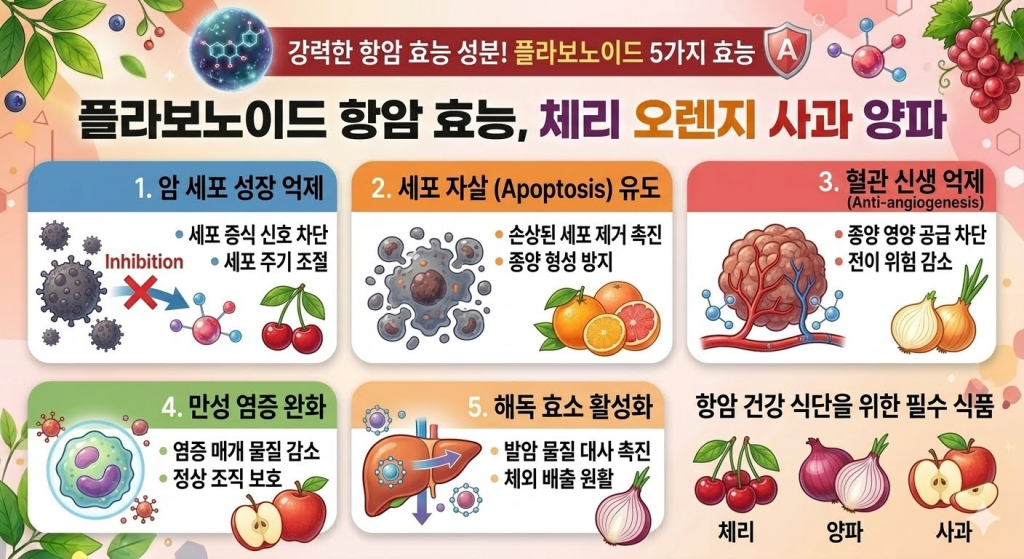
    Flavonoid benefits — you may have heard the term, but do you know exactly what they are, which foods contain them, and how much you actually need? Unlike well-known nutrients like vitamin C or omega-3, flavonoids are powerful health compounds already hiding in the fruits, vegetables, and green tea you eat every day.

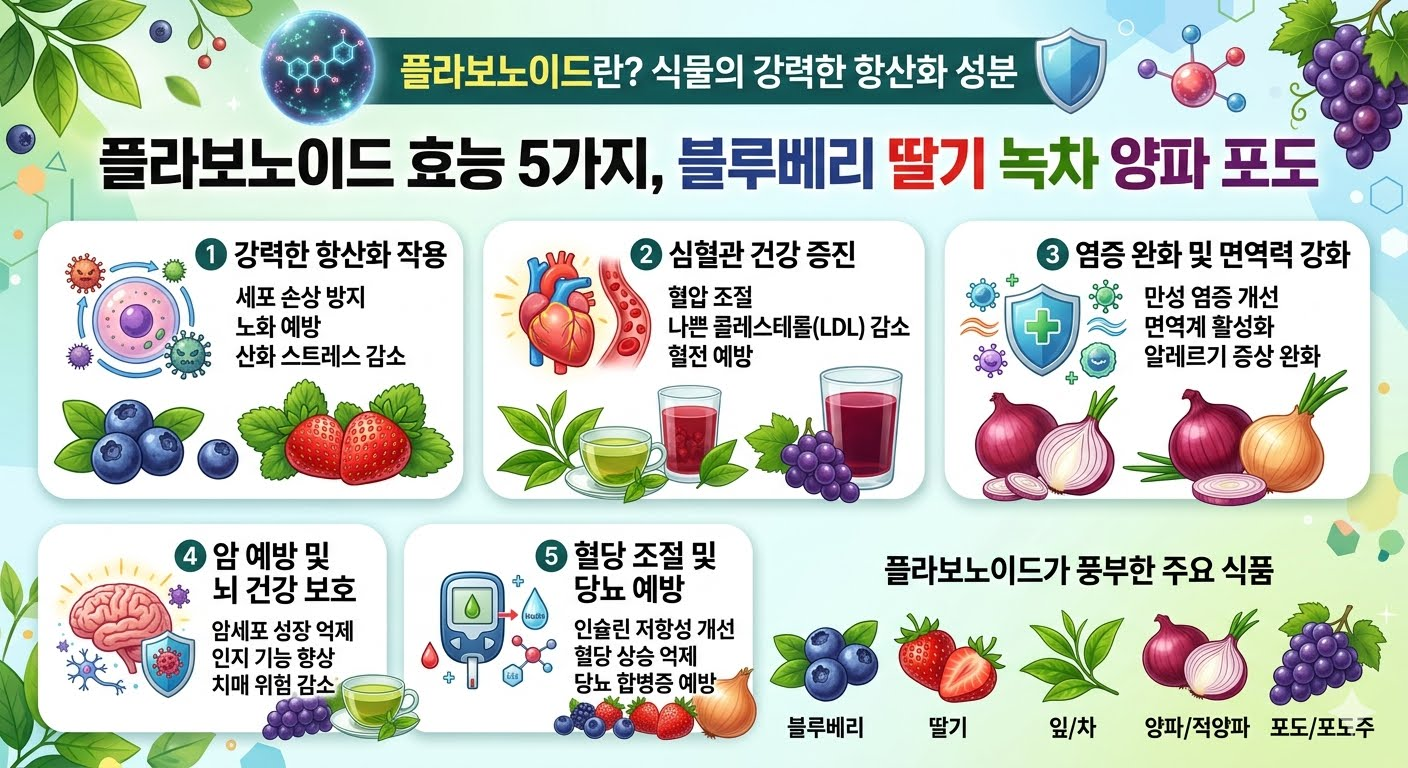
    Flavonoids are natural compounds found in plants that provide a wide range of health benefits through antioxidant activity. Key benefits include anti-inflammatory, anti-cancer, cardiovascular health promotion, and immune system strengthening effects. Major flavonoids include quercetin, catechin, isorhamnetin, and anthocyanin. (Source: Kormedi Health Media)

    What makes flavonoid benefits especially relevant today is their connection to the slow aging movement. Free radicals — unstable molecules produced during energy metabolism — can cause oxidative damage that leads to chronic disease and accelerated aging. Flavonoids directly neutralize these free radicals at the cellular level. (Source: Samsung Medical Center Health Information)

    Today, we break down 5 core flavonoid benefits, the best flavonoid-rich foods to eat, and exactly how to maximize their effects in your daily diet.

    💡 Related Post: Slow Aging Diet Top 7 Ingredients|Only What You Can Buy at Your Local Supermarket


    What Are Flavonoids? The Basics First

    Flavonoids are the natural pigments responsible for the vivid colors of the foods we eat — the deep purple of blueberries, the red of strawberries, the green of matcha, and the orange of citrus fruits. For plants, flavonoids serve as a defense system against UV rays, insects, and oxidative stress. For humans, they function as potent antioxidant and anti-inflammatory compounds.

    Flavonoids have been shown to possess a wide range of biological and pharmacological activities, including anti-allergic, anti-inflammatory, antioxidant, antimicrobial (antibacterial, antifungal, antiviral), and anti-cancer properties. (Source: Wikipedia — Flavonoid)

    Here’s a quick overview of the main flavonoid types and their primary food sources:

    TypeKey CompoundPrimary Food Sources
    AnthocyaninRed/purple pigmentBlueberries, strawberries, cherries, grapes, eggplant
    QuercetinYellow plant pigmentOnions, apples, cherries, green tea
    CatechinBitter astringent compoundGreen tea, grapes, cocoa
    HesperidinCitrus pigmentOranges, lemons, grapefruit, limes
    IsoflavoneLegume pigmentTofu, doenjang (miso), soy milk, natto

    (Source: Samsung Medical Center Health Information, Kormedi Health Media)


    Flavonoid Benefit 1. Powerful Antioxidant Protection – Stop Cellular Aging at the Source

    The most fundamental of all flavonoid benefits is antioxidant activity. Every moment your body produces energy, it also generates free radicals as byproducts. When these accumulate in excess, they damage cell membranes and DNA — accelerating aging and triggering disease.

    The flavonoids found in red wine made from red grapes act as exceptionally powerful antioxidants. Antioxidant activity refers to the neutralization of free radicals that attack important molecules in the body and cause harmful effects. (Source: Samsung Medical Center Health Information)

    Flavonoids have demonstrated antioxidant, anti-cancer, antibacterial, cardioprotective, anti-inflammatory, immune-enhancing, and skin-protective effects across international research. (Source: Kormedi Health Media, compiled from Scopus and PubMed research databases)

    Best foods: Blueberries, strawberries, grapes, red wine (in moderation), green tea, dark chocolate

    flavonoid benefits, Flavonoid antioxidant benefits, blueberries grapes green tea

    Flavonoid Benefit 2. Anti-Inflammatory Action – Cut Chronic Inflammation at the Root

    Chronic inflammation is now recognized as a common underlying cause of most major modern diseases — including diabetes, cancer, cardiovascular disease, and dementia. Flavonoids are among the most effective natural compounds for suppressing this chronic inflammation.

    The antioxidant and anti-inflammatory effects of flavonoids found in natural plant extracts have been confirmed through research.

    Specific flavonoid compounds including apigenin, baicalein, genistein, naringenin, hesperetin, proanthocyanidins, quercetin, and kaempferol have all demonstrated antioxidant and anti-inflammatory effects in published studies. (Source: Korea Institute of Science and Technology Information (KISTI), Korean Society of Cosmetics and Cosmetology Journal)

    In the context of modern diets high in sugar and processed foods — both of which promote systemic inflammation — consistently eating flavonoid-rich vegetables and fruits is one of the most practical ways to reduce chronic inflammation levels without medication.

    Best foods: Onions (quercetin), broccoli, kale, green tea (catechin), turmeric, ginger


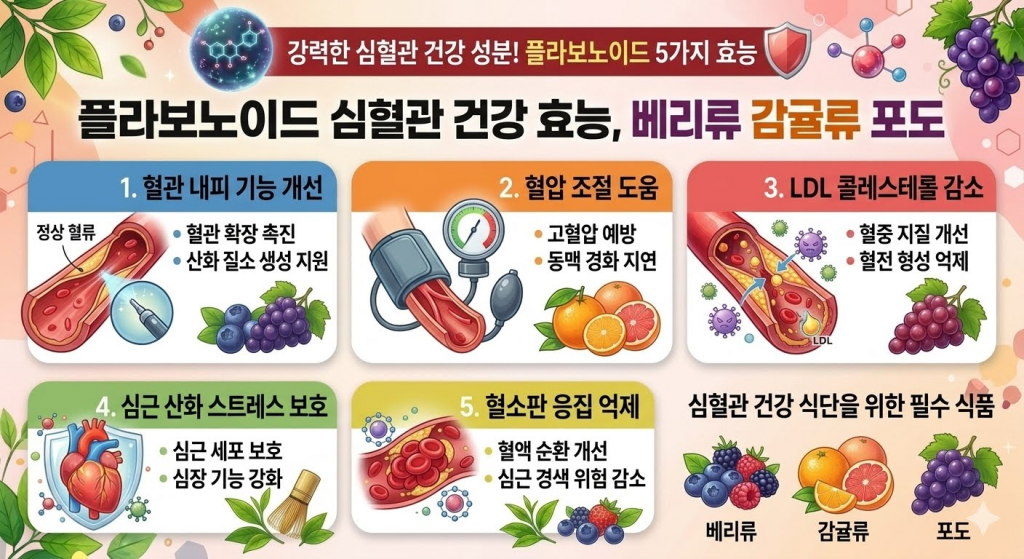
    Flavonoid Benefit 3. Cardiovascular Health Protection – Strengthen Blood Vessels Naturally

    Flavonoids show particularly strong protective effects on heart and vascular health. According to a 2013 study, people who ate blueberries or strawberries three or more times per week had a 32% lower risk of heart attack compared to those who ate them less frequently.

    The anthocyanins and other flavonoids found in berries lower blood pressure and dilate blood vessels to produce these protective effects. (Source: Korean Society of Food Science and Nutrition, Kormedi Health Media)

    Anthocyanin-rich fruits such as strawberries and berries help prevent high blood pressure and cardiovascular disease, and have also demonstrated anti-cancer effects — particularly for breast and colorectal cancer prevention. (Source: Samsung Medical Center Health Information)

    Hesperidin, abundant in citrus fruits, helps prevent heart disease and strengthens blood vessels. Quercetin, a plant-based flavonoid pigment, protects blood vessel walls from damage. (Source: Samsung Medical Center Health Information, Kormedi Health Media)

    Best foods: Strawberries, blueberries, cherries (anthocyanin), oranges, grapefruit, lemons (hesperidin), onions, apples (quercetin), grapes (resveratrol)

    Flavonoid cardiovascular benefits, berries citrus fruits grapes"

    Flavonoid Benefit 4. Brain Health Protection – Slow Cognitive Decline

    As we age, memory loss and cognitive decline become growing concerns. Among all flavonoid benefits, brain health protection is one of the most actively researched areas in recent years.

    Research shows that people who consumed approximately 600mg of flavonoids per day had a 20% lower risk of cognitive decline compared to those who consumed only 150mg per day. Flavonoids are primarily found in the skins of fruits and vegetables. (Source: Kormedi Health Media, April 2026)

    As antioxidant nutrients, flavonoids help maintain healthy blood flow to the brain and protect against stroke and heart attack. They have also been shown to protect brain cells from the type of cell loss that affects Parkinson’s disease patients. (Source: Busan Metropolitan City Health Information)

    Flavonoids found in vegetables such as chili peppers and bell peppers are particularly helpful in preventing cognitive decline. Berries like strawberries and blueberries that can be eaten with their skin intact are especially rich in flavonoids. A single apple contains approximately 113mg of flavonoids, while 100g of strawberries contains approximately 180mg. (Source: Kormedi Health Media)

    Best foods: Blueberries, strawberries (anthocyanin), spinach (luteolin), chili peppers, bell peppers (luteolin), apples (quercetin), green tea (catechin)


    Flavonoid Benefit 5. Anti-Cancer Properties – Inhibit Abnormal Cell Growth

    Flavonoids are one of the most actively studied natural compounds in cancer prevention research.

    Clinical cases reporting that flavonoids can suppress cancer recurrence have emerged in recent years. While bioavailability remains low, flavonoids demonstrate excellent efficacy and safety profiles, with each individual flavonoid acting on different cellular targets — making combination approaches a promising research direction. (Source: Korea Institute of Science and Technology Information (KISTI), Flavonoid Anti-Cancer Research Paper)

    Quercetin, found abundantly in cherries, apples, and onions, protects blood vessel walls from damage. Perillyl alcohol, also found in cherries, has been shown to inhibit the growth of prostate cancer cells. (Source: Kormedi Health Media)

    Tangeretin, found in citrus fruits, is associated with the prevention of certain brain and bronchial cancers. (Source: Samsung Medical Center Health Information)

    Important note: Most anti-cancer research on flavonoids to date has been conducted at the cellular (in vitro) level, with human clinical trials still ongoing in many areas. Flavonoids should be understood as a preventive dietary strategy, not as a cancer treatment. (Source: Wikipedia — Flavonoid, European Food Safety Authority (EFSA) research summary)

    Best foods: Oranges, grapefruit, limes (tangeretin), cherries (quercetin, perillyl alcohol), onions, apples (quercetin), grapes, strawberries (anthocyanin)

    Flavonoid anti-cancer properties, cherries oranges apples onions

    Top 10 Flavonoid-Rich Foods

    RankFoodKey FlavonoidCore Benefit
    1BlueberriesAnthocyaninAntioxidant, cardiovascular, brain health
    2StrawberriesAnthocyanin (180mg/100g)Cardiovascular, cognitive function, anti-cancer
    3Green TeaCatechinAntioxidant, antibacterial, brain health
    4OnionsQuercetinAnti-inflammatory, blood vessel protection
    5Oranges & GrapefruitHesperidin, TangeretinHeart protection, anti-cancer
    6GrapesResveratrol, AnthocyaninBlood circulation, antioxidant
    7CherriesQuercetin, AnthocyaninAnti-inflammatory, anti-cancer, sleep support
    8SpinachLuteolinStroke prevention, cognitive function
    9Chili & Bell PeppersLuteolinCognitive decline prevention
    10Tofu & Doenjang (Miso)IsoflavoneAntioxidant, hormonal balance

    (Source: Samsung Medical Center Health Information, Kormedi Health Media, Busan Metropolitan City Health Information)


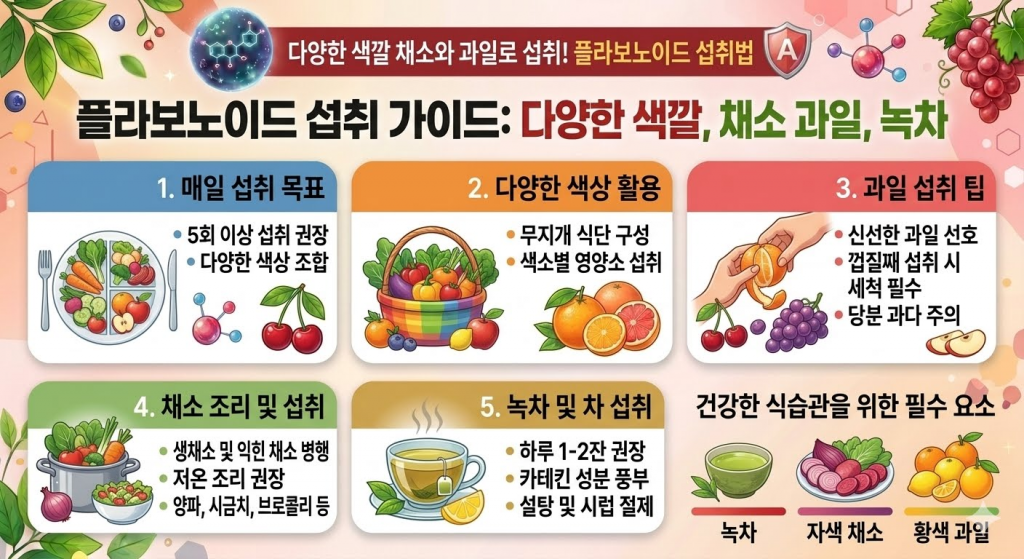
    How to Get the Most Out of Flavonoids

    ① Daily Intake Reference

    The Korea Ministry of Food and Drug Safety (MFDS) has recognized a daily intake of 16–17mg of flavonoids for antioxidant function. For cognitive protection, research suggests a daily intake of around 600mg shows meaningful effects. (Source: Pillyze Pharmacist & Dietitian Guide, Kormedi Health Media)

    ② Eat the Skin — It’s Where Flavonoids Concentrate

    Flavonoids are most concentrated in the skins of fruits and vegetables. Eat strawberries and blueberries whole, and wash apples thoroughly to eat them with the skin on for maximum flavonoid intake. (Source: Kormedi Health Media)

    ③ Eat a Rainbow — Variety Beats Quantity

    Each flavonoid type acts on different cellular targets inside the body. Rather than focusing on a single superfood, aim to eat a wide variety of red, purple, orange, and green fruits and vegetables every day for a synergistic, broad-spectrum effect. (Source: Korea Institute of Science and Technology Information (KISTI))

    ④ Raw or Minimally Cooked is Best

    Some flavonoids are partially destroyed by heat. Whenever possible, eat fruits and vegetables raw, or cook them as briefly as possible. Blanch broccoli for no more than 2 minutes, and try eating onions sliced thin and raw rather than stir-fried.

    ⑤ Green Tea: 2–3 Cups Per Day Is Optimal

    Green tea’s catechins are outstanding for brain health and antioxidant protection. Some studies suggest that a single cup of matcha contains at least 3 times more antioxidant compounds than regular green tea — making matcha an excellent option for those who aren’t sensitive to caffeine. (Source: Vogue Korea, Antioxidant Foods Feature)

    How to take flavonoids, colorful vegetables fruits green tea

    Expert Cautions on Flavonoid Intake

    According to research by the Linus Pauling Institute and the European Food Safety Authority (EFSA), flavonoids are poorly absorbed by the human body (less than 5%), and most of what is absorbed is rapidly metabolized and excreted. (Source: Wikipedia — Flavonoid)

    This means food-based flavonoid intake is safe and effective, but high-dose supplementation over extended periods warrants caution. Individuals taking blood-thinning medications or with specific medical conditions should consult a physician or pharmacist before using flavonoid supplements.

    Flavonoids from whole foods carry virtually no risk of overconsumption — making a daily habit of eating diverse, colorful fruits and vegetables the safest and most effective long-term strategy.

    💡 Related Post: The Right Supplements for Your Age|Essential Nutrients and Ones to Avoid by Age Group


    ✅ Daily Flavonoid Intake Checklist

    Check off what you practiced today. 6 or more means your flavonoid intake is on track!

    No.Check ItemCheck
    1Ate a handful of blueberries, strawberries, or other berries
    2Had at least 1 cup of green tea or matcha
    3Ate an apple, orange, or grapefruit with the skin on
    4Included onion, bell pepper, or chili in a meal or salad
    5Ate broccoli, spinach, or another dark leafy green
    6Had tofu, doenjang (miso), or another fermented soy food
    7Ate vegetables or fruits in at least 3 different colors today
    8Replaced a processed snack with fresh fruit

    Share your checklist score in the comments — we’d love to know how many you’re already doing!


    Frequently Asked Questions (FAQ)

    Q1. Is it more effective to take flavonoids as a supplement rather than through food?

    A. Food-based intake is far safer and more naturally bioavailable. Flavonoids tend to work synergistically with other nutrients found in whole foods, making fruit and vegetable sources more effective than isolated supplements in most cases. If you’re considering supplementation, consult a pharmacist or physician first. (Source: Pillyze Pharmacist & Dietitian Guide)

    Q2. Do flavonoids lose their benefits when cooked?

    A. Some flavonoids are heat-sensitive and may degrade with prolonged cooking, though this varies by compound type. Eating raw or minimally cooked is generally best. When cooking is needed, keep it brief — blanch or stir-fry for 2 minutes or less to preserve as much flavonoid content as possible.

    Q3. How much flavonoid-rich food do I need to eat each day to see a difference?

    A. The MFDS-recognized daily functional dose is 16–17mg for antioxidant benefits, while cognitive protection research points to around 600mg per day as beneficial. (Source: Pillyze, Kormedi Health Media) Given that 100g of strawberries contains approximately 180mg and a single apple contains around 113mg, eating a diverse mix of fruits and vegetables daily can easily meet these targets naturally.

    Q4. Are blueberries or strawberries better for flavonoid intake?

    A. Strawberries contain approximately 180mg of flavonoids per 100g — placing them among the highest flavonoid-density fruits alongside blueberries. (Source: Kormedi Health Media) Rather than choosing one over the other, alternating between both gives you exposure to a broader spectrum of flavonoid types and maximizes the overall protective effect.

    Q5. Are there any side effects or risks from eating too many flavonoids?

    A. Consuming flavonoids through whole foods carries virtually no risk of overconsumption and is considered very safe. However, high-dose flavonoid supplements taken over extended periods may interact with certain medications — particularly blood thinners. Anyone taking prescription medications or managing a chronic condition should consult their doctor or pharmacist before adding flavonoid supplements to their routine. (Source: Wikipedia — Flavonoid, European Food Safety Authority (EFSA) research summary)


    Flavonoid benefits are within reach every single day — no expensive supplements required.

    A handful of blueberries, a cup of green tea, an apple eaten skin-on. These small, consistent choices deliver antioxidant protection, fight chronic inflammation, support your heart and brain, and may even help prevent cancer over the long term. Start with just one item from today’s checklist and build from there.


    📚 References


  • Slow Aging Diet Meal Plan|A Complete 7-Day Menu You Can Simply Follow

    Slow Aging Diet Meal Plan|A Complete 7-Day Menu You Can Simply Follow

    Wondering how to actually follow a slow aging diet meal plan without spending hours in the kitchen every day? You’re not alone. “I know I should eat lentil rice, but what about the side dishes?” and “Cooking from scratch every day feels overwhelming” — these are the most common concerns from people trying to start a slow aging weekly menu.

    The good news is that planning your meals one week at a time makes everything easier. According to nutrition guidelines, structuring your diet on a weekly basis simplifies grocery shopping, reduces food waste, and helps you stay consistent. (Source: Korean Nutrition Society)

    Dr. Jeong Hee-won, Professor of Geriatric Medicine at Asan Medical Center in Seoul, emphasizes that breakfast is the most critical meal of the day for slow aging. He warns that blood sugar spikes caused by cereals and jam-covered toast in the morning raise fatigue levels and trigger hunger before lunch, ultimately undermining your entire day’s energy and focus. (Source: Asan Medical Center, Dr. Jeong Hee-won’s YouTube Channel)

    Today, we’re revealing a complete slow aging 7-day meal plan — breakfast, lunch, and dinner from Monday to Sunday — along with a weekend meal prep guide and convenience store backup options you can follow right away.

    💡 Related Post: Slow Aging Diet Top 7 Ingredients|Only What You Can Buy at Your Local Supermarket


    🛒 Before You Start: Key Foundations

    The Golden Ratio for Slow Aging Rice

    Dr. Jeong Hee-won recommends the following grain ratio for slow aging rice, which can meet the daily recommended protein intake (45–55g) for adults through rice alone. (Source: Health Kyunghyang, Dr. Jeong Hee-won Interview)

    Lentils : Oats : Brown Rice : White Rice = 4 : 2 : 2 : 2

    Beginners: Start with 70% white rice and 30% lentils, then gradually reduce the white rice ratio every two weeks as your palate adjusts.

    💡 What is Slow Aging Rice? A Korean health trend popularized by Dr. Jeong Hee-won, slow aging rice replaces refined white rice with a blend of lentils, oats, and brown rice to lower the glycemic index, boost protein, and slow cellular aging.

    Daily Vegetable Standard

    The Korean Nutrition Society recommends consuming at least two servings of vegetables (excluding kimchi) per meal — approximately 140g per serving. A practical approach is to fill half your plate with vegetables at every meal. (Source: Korean Nutrition Society Dietary Guidelines)


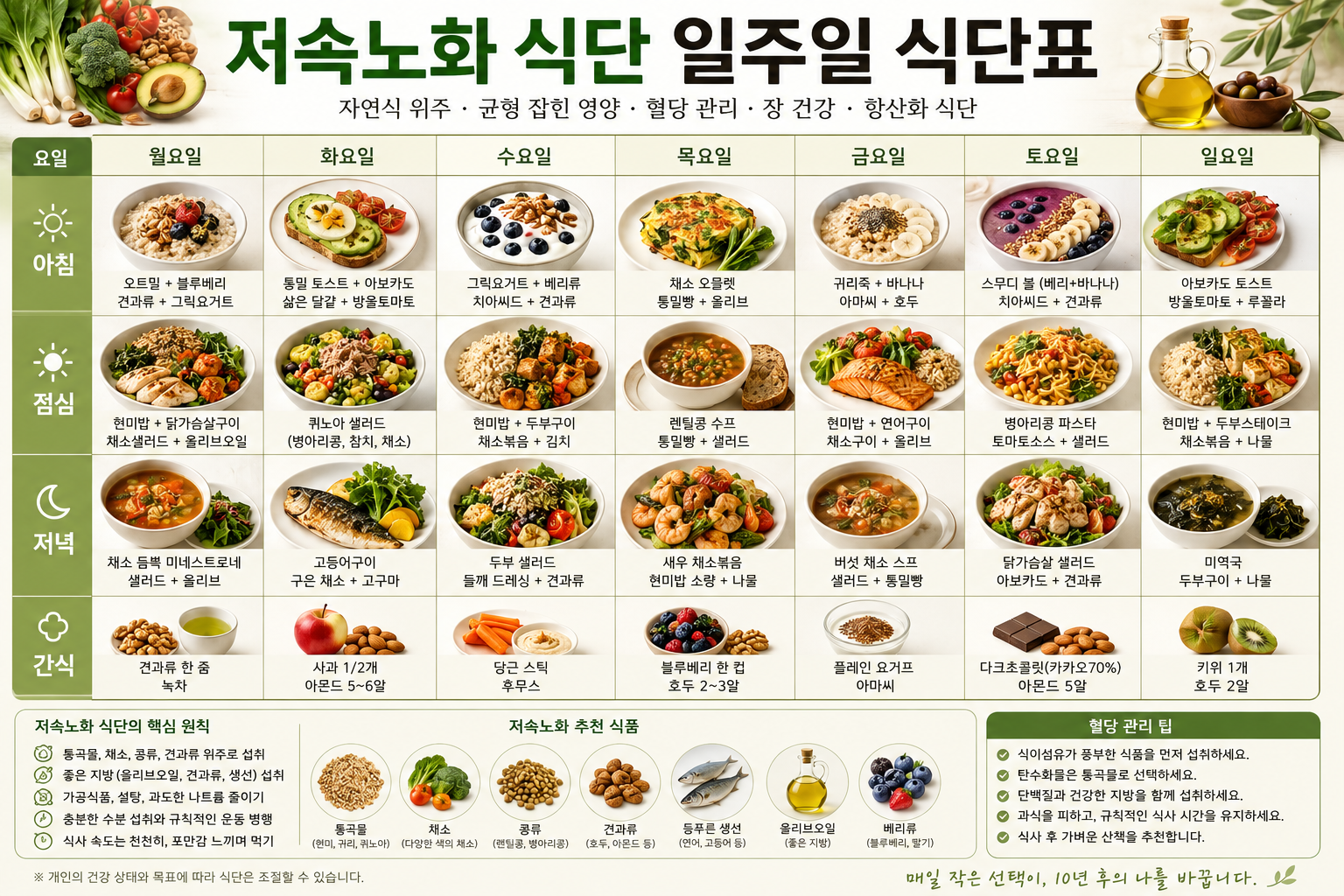
    📅 Slow Aging 7-Day Meal Plan

    ✅ Weekly Overview Table

    DayBreakfastLunchDinner
    MonOatmeal + blueberries + nutsSlow aging rice + braised tofu + broccoli salad + kimchiLentil vegetable soup + whole grain bread
    TueGreek yogurt + nuts + frozen berriesSlow aging rice + grilled mackerel + spinach namul + seaweed soupTofu steak + kale salad + olive oil dressing
    Wed2 boiled eggs + whole grain toast + cherry tomatoesSlow aging rice + grilled chicken breast + bean sprout namul + doenjang soupChickpea curry + brown rice + cucumber salad
    ThuOatmeal porridge + half banana + 5 walnutsSlow aging rice + grilled salmon + stir-fried broccoli + cabbage soupNatto + slow aging rice + 2 types of namul
    FriGreek yogurt parfait (berries + chia seeds + nuts)Slow aging rice + tofu kimchi + sigeumchi soup + namulSalad bowl (kale + tomato + avocado + lentils + olive oil)
    SatSlow aging rice + egg roll + doenjang soup + namulQuinoa fried rice + vegetable wraps + chicken breastBraised mackerel + slow aging rice + radish namul
    SunOatmeal + nuts + blueberriesLentil brown rice + braised tofu + stir-fried vegetablesKorean home-cooked meal (slow aging principles maintained)

    💡 Namul is a traditional Korean side dish of seasoned vegetables — typically blanched or stir-fried greens like spinach, bean sprouts, or fernbrake, dressed with sesame oil, garlic, and soy sauce.


    📋 Daily Menus with Key Tips

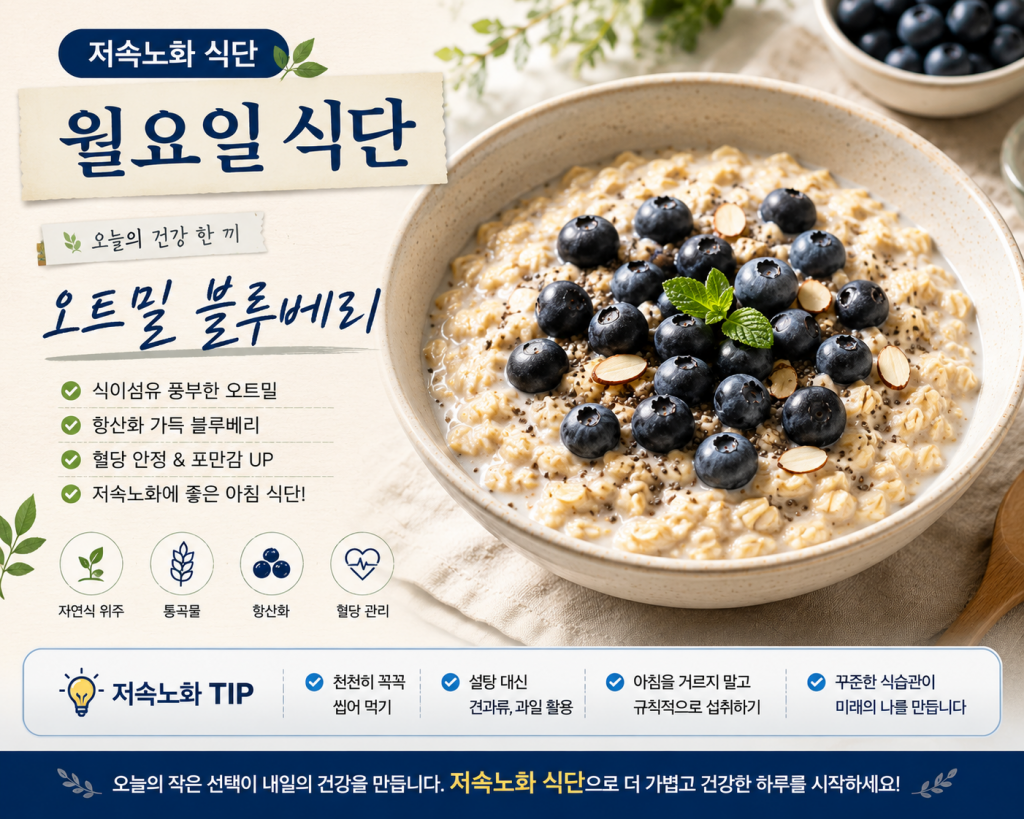
    🟢 Monday – A Light Start to the Week

    Breakfast: Oatmeal (30g oats) + frozen blueberries (one handful) + mixed nuts (one handful)

    💡 Soak your oats overnight in water or unsweetened soy milk — breakfast is ready the moment you wake up, with zero morning prep time.

    Lunch: Slow aging rice + braised tofu + blanched broccoli salad + kimchi

    💡 Tofu, doenjang (fermented soybean paste), and perilla seed powder are all rich in antioxidants that help prevent cellular damage and slow the overall rate of physical aging. (Source: Samsung Welstory Nutrition Research)

    Dinner: Lentil vegetable soup + 1 slice whole grain bread Simmer lentils with broccoli, carrots, and onions in broth — ready in under 20 minutes and one of the easiest slow aging meals you can make.

    Slow aging diet meal plan, Slow aging Monday meal — oatmeal with blueberries for breakfast, slow aging rice for lunch

    🟢 Tuesday – Omega-3 Day for Cardiovascular Health

    Breakfast: Greek yogurt 150g + one handful mixed nuts + frozen berries

    💡 Greek yogurt contains twice the protein of regular yogurt, making it ideal for a slow aging breakfast. Always choose unsweetened varieties to avoid unnecessary sugar spikes.

    Lunch: Slow aging rice + grilled mackerel + spinach namul + seaweed soup

    💡 Mackerel is rich in omega-3 fatty acids, which are highly effective at reducing chronic inflammation — one of the primary drivers of accelerated aging. Aim to eat oily fish at least twice a week. (Source: EatingWell, Registered Dietitian Panel)

    Dinner: Tofu steak + kale salad + olive oil dressing Pan-fry tofu in olive oil until golden brown and serve with fresh greens for a protein-rich, antioxidant-packed dinner.


    🟢 Wednesday – Mid-Week Protein Boost

    Breakfast: 2 boiled eggs + 1 slice whole grain toast + 10 cherry tomatoes

    💡 Boil 6–10 eggs on the weekend and store them in the fridge — your weekday mornings will be effortlessly sorted.

    Lunch: Slow aging rice + grilled chicken breast + bean sprout namul + doenjang soup

    💡 Pre-grill your chicken breast during weekend meal prep. Lunch is on the table in under five minutes on busy weekdays.

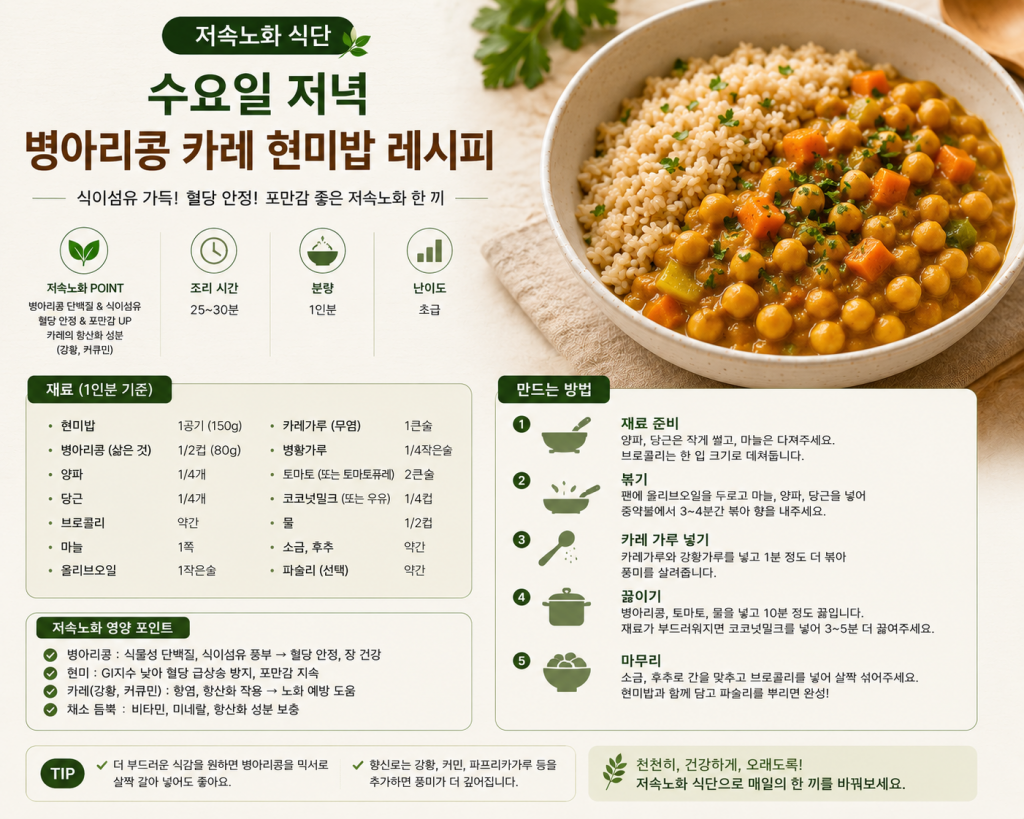
    Dinner: Chickpea curry + brown rice + cucumber salad

    💡 Chickpeas are rich in isoflavones — plant-based estrogens with antioxidant properties that help reduce cellular damage and slow aging. (Source: Samsung Welstory Nutrition Research) Adding them to curry is one of the tastiest ways to enjoy slow aging eating.

    저속노화 수요일 저녁 병아리콩 카레 현미밥 레시피

    🟢 Thursday – Brain Health and Gut Health Together

    Breakfast: Oatmeal porridge + half banana + 5 walnuts

    💡 Walnuts are the richest plant-based source of omega-3 fatty acids, making them particularly beneficial for brain health and cardiovascular function.

    Lunch: Slow aging rice + grilled salmon + stir-fried broccoli + cabbage soup

    💡 Registered dietitians consistently rank salmon among the best lunch choices for healthy aging, citing its role in managing inflammation, supporting brain health, and preserving muscle mass. (Source: EatingWell, Registered Dietitian Panel)

    Dinner: Natto (1 pack) + slow aging rice + 2 types of namul (spinach + bellflower root)

    💡 What is Natto? A traditional Japanese fermented soybean dish with a strong flavor. Rich in probiotics, vitamin K2, and nattokinase, it supports gut health, bone density, and cardiovascular function. Serve over slow aging rice with soy sauce and mustard.


    🟢 Friday – End the Week Light and Clean

    Breakfast: Greek yogurt parfait (berries + chia seeds + nuts + unsweetened Greek yogurt)

    💡 Prepare this the night before — layer ingredients in a jar and it’s ready in five minutes the next morning. Visually appealing enough to share on social media too.

    Lunch: Slow aging rice + tofu kimchi stir-fry + spinach soup + 2 types of namul

    💡 Friday lunch is the perfect opportunity to use up remaining fridge ingredients. A bibimbap-style bowl with leftover vegetables and a fried egg works beautifully as a slow aging meal.

    Dinner: Salad bowl (kale + tomato + avocado + lentils + boiled egg + olive oil dressing)

    💡 Combining lentils and olive oil dressing in a salad bowl brings together multiple core slow aging ingredients in a single, satisfying meal. End the week light, nutrient-dense, and energized. (Source: Wegive Health Magazine)


    🟡 Saturday & Sunday – Meal Prep Days

    Weekends are for enjoying food and preparing for the week ahead.

    Saturday Breakfast: Slow aging rice + egg roll (tamagoyaki) + doenjang soup + namul — relaxed family meal Saturday Lunch: Quinoa fried rice + vegetable wraps + grilled chicken Saturday Dinner: Braised mackerel + slow aging rice + radish namul

    Sunday Breakfast: Oatmeal + nuts + blueberries — keep it simple Sunday Lunch: Lentil brown rice + braised tofu + stir-fried vegetables Sunday Dinner: Korean home-cooked spread (slow aging principles: whole grain rice + 2+ vegetable sides + protein source)


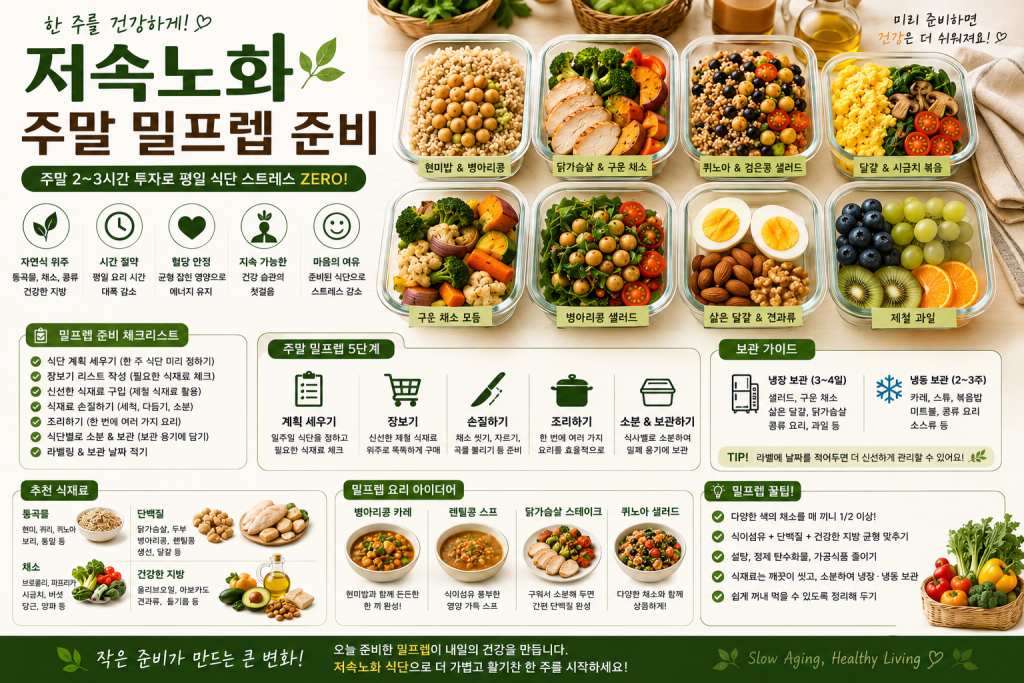
    ⏰ Weekend 90-Minute Meal Prep Guide

    Investing 90 minutes on the weekend makes the entire weekday effortless. Follow this sequence and your slow aging week is fully prepared.

    STEP 1. Weekly Shopping List (Sunday Morning)

    CategoryIngredients
    GrainsLentils, rolled oats, brown rice, quinoa
    ProteinChicken breast, firm tofu (2 blocks), 10 eggs, mackerel/salmon
    VegetablesBroccoli, spinach, kale, cherry tomatoes, onion, carrots
    Fruits & NutsFrozen blueberries, bananas, mixed nuts (unsalted)
    Dairy & FermentedUnsweetened Greek yogurt, natto, kimchi
    Oils & CondimentsExtra virgin olive oil, doenjang, soy sauce

    STEP 2. 90-Minute Meal Prep Sequence (Sunday Afternoon)

    0–10 min: Wash and chop broccoli, spinach, and carrots + start slow aging rice in the rice cooker

    10–30 min: Season chicken breast (soy sauce, garlic, black pepper) → air fryer or oven

    30–50 min: Blanch vegetables (broccoli 2 min, spinach 1 min), stir-fry bean sprout and bellflower root namul

    50–70 min: Boil 6 eggs + drain tofu and pan-fry until golden

    70–85 min: Prep lentil soup ingredients + portion berries and nuts into individual servings

    85–90 min: Label containers (menu + date) + separate into refrigerator (2–3 days) and freezer (day 4+) storage (Source: Seoul Metropolitan Food and Nutrition Support Center)

    low aging weekend meal prep — ingredient preparation and refrigerator storage

    🏪 Convenience Store Backup Options

    On days when cooking isn’t an option, slow aging doesn’t have to stop. Several major Korean convenience store chains now offer slow aging meal options developed in collaboration with Dr. Jeong Hee-won, including lentil grain rice lunch boxes, chicken breast grain rice onigiri (rice balls), and chickpea salad sandwiches. (Source: Hana1QM Magazine, Slow Aging Convenience Food Report)

    If you’re outside Korea, here are universally available backup options:

    SituationConvenience Store / Quick Backup
    Rushed morning2 boiled eggs + Greek yogurt + nut pack
    Unavoidable lunch outGrain/lentil-based salad bowl or grain rice box
    Late night at workChicken breast sandwich + cherry tomatoes

    Expert Principles for Weekly Meal Planning

    A perfect week of slow aging eating isn’t required — consistency at 70% is far more effective than perfection that leads to burnout. (Source: Dr. Jeong Hee-won, Slow Aging Diet Book)

    People who have tried it report: “Just switching from white rice to grain rice and cutting out sugary drinks made my afternoon energy crash disappear completely.” Small, sustainable changes compound over time.

    However, if you have underlying conditions such as kidney disease, diabetes, or digestive sensitivities, the high fiber content of lentils and oats may need to be adjusted. Always consult your healthcare provider before making significant dietary changes.

    💡 Related Post: How to Control Blood Sugar Spikes|7 Tips for Post-Meal Blood Sugar Management


    ✅ This Week’s Slow Aging Practice Checklist

    Check off what you practiced this week. 10 or more means your slow aging week is a success!

    No.Check ItemCheck
    1Ate slow aging rice (lentils + oats + brown rice) 5+ times this week
    2Had 2+ vegetable sides at every meal
    3Ate oily fish (mackerel or salmon) at least twice
    4Had oatmeal or Greek yogurt for breakfast 3+ times
    5Had a handful of nuts every day
    6Replaced sugary drinks with water or unsweetened tea
    7Kept processed/instant food to 3 times or fewer
    8Completed weekend meal prep for the week ahead
    9Took a light 10-minute walk after meals
    10Ate slowly and started with vegetables first
    11Had tofu, natto, or doenjang (fermented soy foods) daily
    12Got 7+ hours of regular sleep each night

    Share your score in the comments — we’d love to know how many you’re already doing!


    Frequently Asked Questions (FAQ)

    Q1. Do I have to follow the meal plan exactly to see results?

    A. Not at all. The meal plan is a flexible guide, not a strict rulebook. Substitute similar ingredients based on what’s available to you. The core structure to maintain is: whole grain rice + 2 or more vegetable sides + a protein source at every meal.

    Q2. Do I have to give up eating out entirely on a slow aging diet?

    A. No. When eating out is unavoidable, choose the least processed option on the menu — ideally something with plenty of vegetables and a lean protein. Salad-based meals or grain bowls are widely available in most restaurants. (Source: Hana1QM Magazine)

    Q3. My meal-prepped food loses its taste after a day or two — any storage tips?

    A. Refrigerate for up to 2–3 days, and freeze portions intended for day 4 and beyond. Store sauces and dressings separately from proteins. When reheating, use the microwave for 2–3 minutes then finish in a pan for 1 minute to restore texture. (Source: Seoul Metropolitan Food and Nutrition Support Center)

    Q4. Is breakfast really necessary on a slow aging diet?

    A. Dr. Jeong Hee-won emphasizes breakfast as the most important meal of the day for managing blood sugar. (Source: Allure Korea, Dr. Jeong Hee-won Interview) If cooking in the morning feels impossible, overnight oats or a 5-minute Greek yogurt parfait are excellent options that require virtually no morning effort.

    Q5. The food tastes bland and I’m struggling to stay motivated — should I give up?

    A. The first 2–3 weeks of transitioning to a slow aging diet can feel unfamiliar. Lean into Korean condiments like doenjang (fermented soybean paste), sesame oil, and perilla oil to add depth and flavor while staying within slow aging principles. Progress, not perfection, is the goal.


    Your slow aging weekly meal plan is now ready.

    All it takes is one grocery run and 90 minutes of weekend meal prep to set your entire week in motion. Start slowly, stay consistent, and let the small daily choices compound into lasting change.


    📚 References